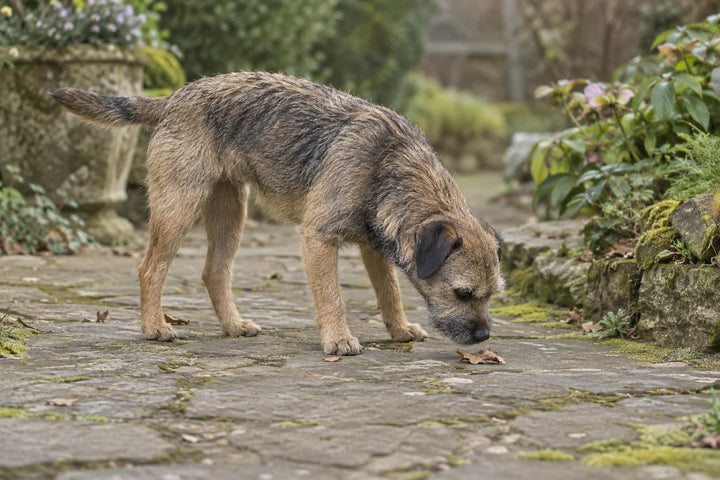
Tibetan Terrier Grooming: Shaggy Coats and Practical Trims

A Tibetan Terrier can enjoy an active life without wearing a floor-length show coat. The important decision is how much hair you can maintain comfortably, especially when the soft undercoat becomes harder to keep clear.
The shaggy outline can make a quick surface brush look more effective than it is. Parting the hair and checking underneath tells you whether you have actually dealt with the areas where tangles form.
Watch the coat, not just the calendar. A routine that worked on puppy hair may need changing as the adult coat develops. Increase your checks when the comb starts catching sooner.
A woolly undercoat beneath the shaggy finish
The AKC breed profile describes a double coat with a woolly underlayer and notes that texture and matting tendency vary. It also recognises a practical pet cut as an option where full length interferes with everyday activity.
That does not mean every double-coated breed should be clipped. It means this particular breed’s grooming plan can include a shorter maintained pet coat. A Tibetan Terrier still needs regular brushing after a trim; shortening the outline does not make the underlayer disappear.
Notice a change before it becomes a matting problem
The Tibetan Terrier club’s coat-care guidance highlights increased maintenance during the transition from puppy to adult coat. Timing varies, so use the condition of your own dog’s hair as the prompt to adjust.
Warning signs in an ordinary grooming session include more loose hair caught in the coat, small knots returning quickly behind the ears, and the comb catching after brushing that previously left a clear section. Arrange a practical demonstration with your groomer before those small tangles join into a felted layer.
Do not wait for a dramatic visible change in the dog’s outline. The useful information is often underneath, where the hair meets the body.
A methodical layer check
- Choose a stable non-slip surface and a position your dog accepts comfortably.
- Lift a narrow layer of coat so you can inspect the section beneath it.
- Brush with light strokes using a suitable pin brush or soft slicker.
- Support any loose tangle near the base and ease the ends apart gently.
- Follow with a metal comb, starting with wider spacing. Move on only when the section passes comfortably.
Check collar and harness contact, behind the ears, armpits, inside hind legs and the tail area separately. A smooth back does not prove those areas are clear. Divide the work into manageable sessions if your dog becomes restless.
A VUNRO combination comb can help assess brushed sections. Do not force it through resistance. Tight mats should be assessed by a groomer; do not cut underneath them with scissors or keep pulling until the skin moves with the knot.
Make outdoor care easier
After walks, check the lower legs, feet, underside and beard for loose debris. Gently remove material that comes away readily rather than letting it become wound into the hair. If something is embedded or painful, stop and seek appropriate help.
Blot damp hair with a towel instead of rubbing it vigorously. Pay attention to areas that stay wet beneath the surface. If long leg or belly hair repeatedly collects more debris than you can comfortably clear, discuss a more practical length at the next groom.
The breed’s broad, hairy feet also deserve a separate look. Hair can hide nail length and ordinary debris, so inspect rather than judging by the fluffy outline. Have safe foot tidying demonstrated; do not improvise scissors between moving toes.
Long coat or practical pet trim?
Tell the groomer how your dog spends its time and how often you can do a thorough coat check. Ask about retained body length, legs, ears and head separately. A shorter body with very long furnishings can still leave you with much of the original workload.
Keep the eyes clear through safe hair management or an appropriate face trim. You do not need hair obscuring vision to preserve a shaggy appearance. Precision work near the eyes and sensitive areas is best left to experienced hands.
Agree on the next appointment before the coat becomes difficult. If you repeatedly find tangles well before that date, adjust the length, interval or technique rather than making uncomfortable dematting the routine.
Prepare for a haircut properly
For an ordinary bath, inspect and gently clear loose tangles first; have extensive matting assessed before wetting. Use dog shampoo according to its instructions, rinse thoroughly and blot with towels. Dry with comfortable moving airflow if tolerated, checking roots under the legs and behind the ears.
Before clipping, the coat needs to be clean, completely dry and combable. Our coat preparation guide explains the sequence. Owners trained in appropriate body trimming can consider the VUNRO D-Series clipper with D-Series blades and a suitable compatible attachment.
Check nails and any dewclaws as a separate regular task, introducing tools calmly and asking for guidance when needed. The aim is a dog who can enjoy its ordinary activities with hair that stays comfortable between grooms.
Keep learning
More from the Blade Blog
Whippet Grooming: Gentle Coat Care and Comfortable Nails
Read the guide →
Chihuahua Grooming: Smooth Coats, Long Coats and Tiny Paws
Read the guide →